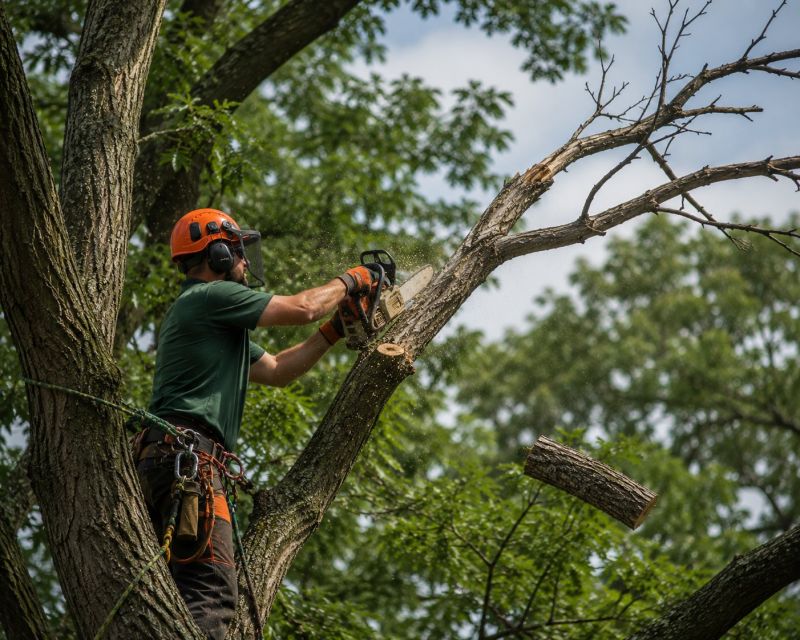
Deadwood Removal in Doylestown, PA
Deadwood removal services involve the safe and efficient removal of dead or dying trees, as well as problematic branches that pose safety or property risks. This type of service typically covers projects such as removing fallen or hazardous trees after storms, trimming dead limbs to prevent damage to structures or power lines, and clearing overgrown areas to improve the health and appearance of the landscape. Homeowners interested in deadwood removal should consider the size and location of the trees or branches, as well as any potential impact on nearby structures or utilities, before requesting service.
Property owners often seek deadwood removal to enhance safety, prevent property damage, or maintain aesthetic appeal. It’s important to understand the scope of work involved, including the potential need for equipment access, cleanup after removal, and any restrictions related to local regulations or property boundaries. Clarifying these details can help ensure the project aligns with safety standards and property preservation goals.
Many property owners in Doylestown, PA look into Deadwood Removal for repairs, replacements, upgrades, and appearance-related improvements.
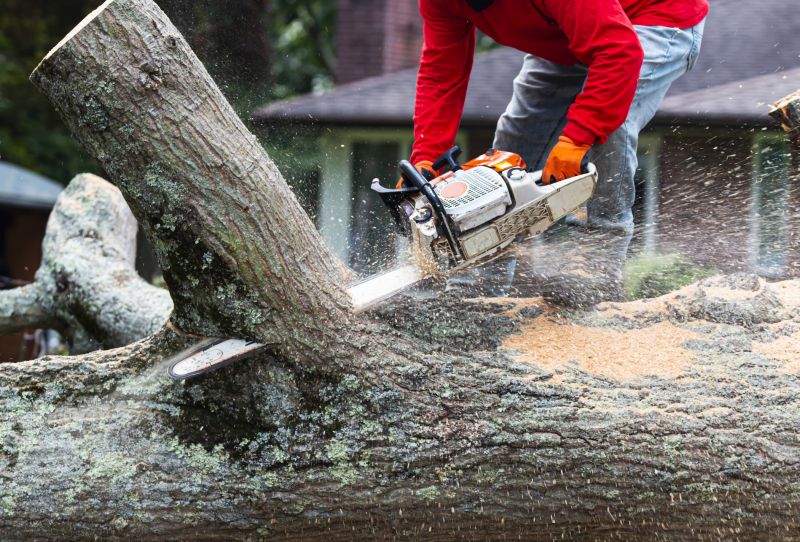
Deadwood Removal For Property Safety
Removing deadwood helps prevent hazards and maintains the safety of your outdoor space.
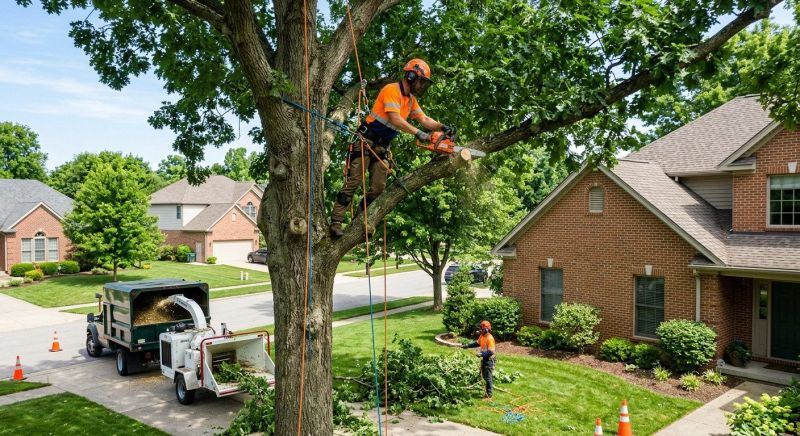
Enhancing Landscape Appearance
Clearing deadwood improves the visual appeal and overall health of trees and shrubs.
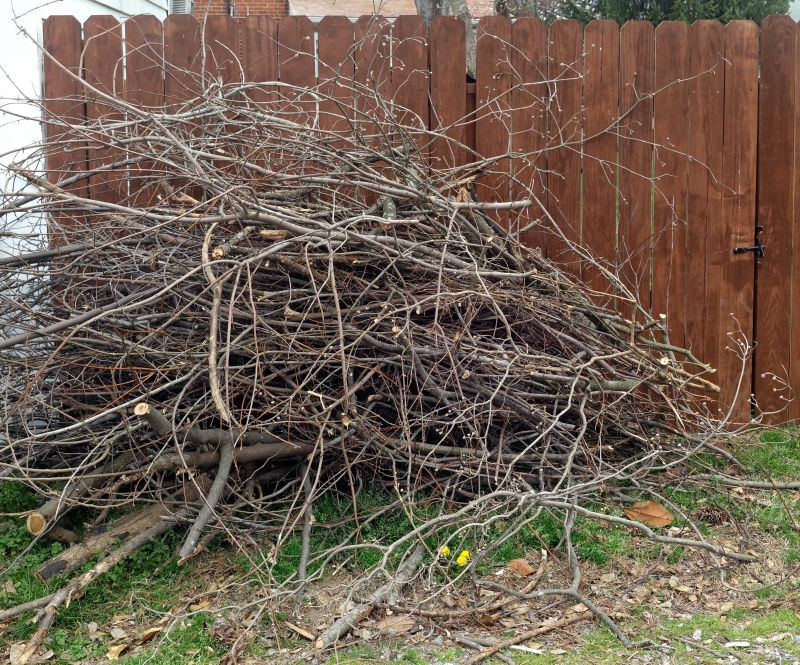
Maintaining Tree Health
Removing dead branches promotes the vitality and longevity of trees in doylestown, pa.
Deadwood Removal in Doylestown, PA
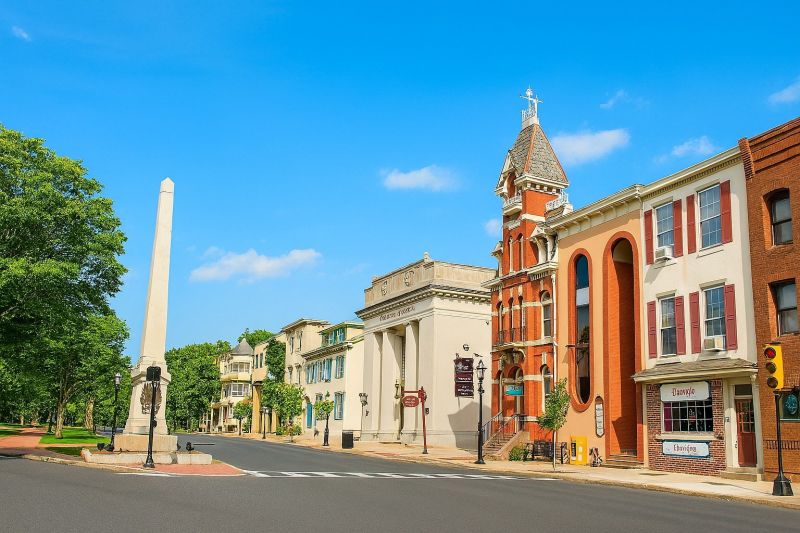
Deadwood removal services involve the safe and efficient removal of dead or dying trees, as well as problematic branches that pose safety or property risks. This type of service typically covers projects such as removing fallen or hazardous trees after storms, trimming dead limbs to prevent damage to structures or power lines, and clearing overgrown areas to improve the health and appearance of the landscape. Homeowners interested in deadwood removal should consider the size and location of the trees or branches, as well as any potential impact on nearby structures or utilities, before requesting service.
Property owners often seek deadwood removal to enhance safety, prevent property damage, or maintain aesthetic appeal. It’s important to understand the scope of work involved, including the potential need for equipment access, cleanup after removal, and any restrictions related to local regulations or property boundaries. Clarifying these details can help ensure the project aligns with safety standards and property preservation goals.
Many property owners in Doylestown, PA look into Deadwood Removal for repairs, replacements, upgrades, and appearance-related improvements.
Common Deadwood Removal Jobs
Deadwood Removal - Clearing dead and fallen branches to improve landscape safety and appearance.
Tree Cleanup - Removing hazardous or decayed limbs to prevent property damage.
Storm Damage Cleanup - Quickly removing debris after storms to restore yard safety.
Landscape Maintenance - Clearing away deadwood to promote healthy tree growth.
Property Preservation - Removing deadwood to maintain curb appeal and property value.
Emergency Deadwood Removal - Addressing urgent fallen branches to reduce safety risks.
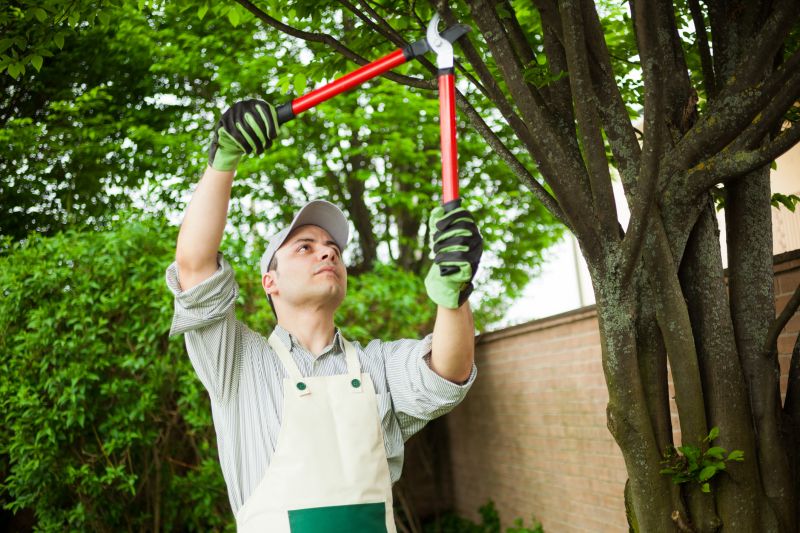
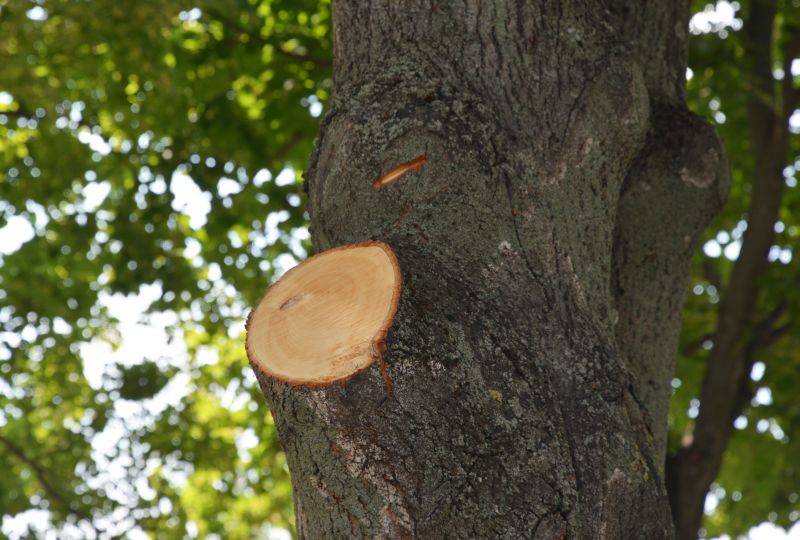
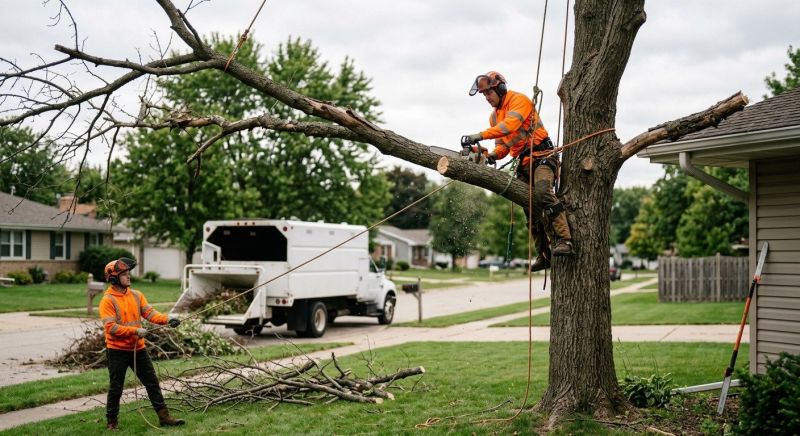
Deadwood Removal Questions
What types of dead trees can be removed? Dead or dying trees of various species can be safely removed to improve safety and appearance.
Is dead tree removal necessary for safety? Yes, removing dead trees helps prevent potential hazards like falling branches or toppling structures.
Can dead tree removal improve property value? Removing dead trees can enhance curb appeal and contribute positively to property value.
What equipment is used for dead tree removal? Specialized tools such as chainsaws, cranes, and rigging equipment are typically used for safe removal.
Request Deadwood Removal in Doylestown, PA
Use the quote form on this page to share the basics of your project and request more information for the type of work you need.